

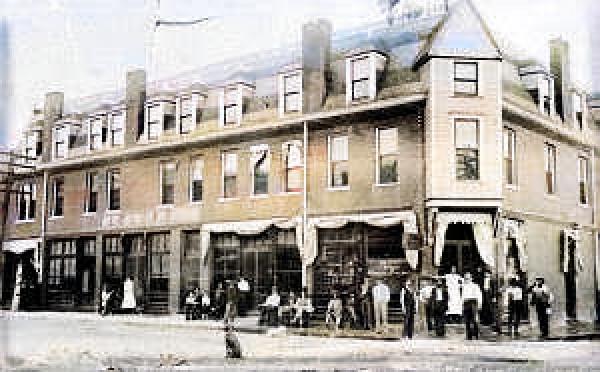
St. George Hotel, Weston, MO circa 1890
Platte
County is available for adoption.
If you have a local connection to Platte County or
an interest in Missouri in general,
Please consider joining the MOGenWeb as a County
Coordinator.
Requirements are simple, peruse them here.
https://mogenweb.org/moccguide.htm
MOGenWeb Policies and Procedures
https://www.mogenweb.org/pol-pro.htm
Contact the
State Coordinator
if you are interested.
In addition:, we would appreciate any
contribution that you would like to make to this
site: biographies, obituaries, birth,
marriage, death info, grave info,
photographs....etc
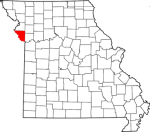
Platte County, Missouri
Platte County lies within the southern portion of the Platte Purchase, the final major land addition to Missouri. Its earliest documented white settler, Zadoc Martin, arrived around 1827, operating a ferry across the Platte River on the military road between Liberty and Fort Leavenworth.
The Indian title was extinguished in 1837, opening the region to rapid settlement. The area that would become Platte County was initially attached to Clay County until population growth justified its own organization. The county was officially organized on December 31, 1838, and the first County Court met on March 11, 1839, at the Falls of Platte—now Platte City, which became and remains the county seat.
Early civic development was swift. The first Circuit Court convened two weeks later, presided over by Judge Austin A. King (later Missouri governor). The first county election followed on May 11, 1839, establishing township justices and generating some of the earliest surviving local records—valuable for genealogists tracing pioneer families.
Land titles were a major point of contention until federal land sales began in 1842, after which settlement accelerated. Many families arriving in the 1840s left extensive land, probate, and tax records, forming the backbone of genealogical research for the county.
During the Civil War, Platte County experienced divided loyalties and several engagements, including skirmishes at Bee Creek (1861) and Camden Point (1864). Roughly 2,000 residents enlisted on both sides, and many who remained were enrolled in local militia units. These events produced military, loyalty‑oath, and militia records that continue to aid researchers today.
Despite wartime disruption, Platte County recovered quickly due to its fertile farmland and proximity to the Missouri River and the growing Kansas City region. Today, institutions such as the Platte County Historical Society and the Ben Ferrel Museum in Platte City preserve documents, photographs, and family histories that support ongoing genealogical research.